
 04 November 2026
 Share
1
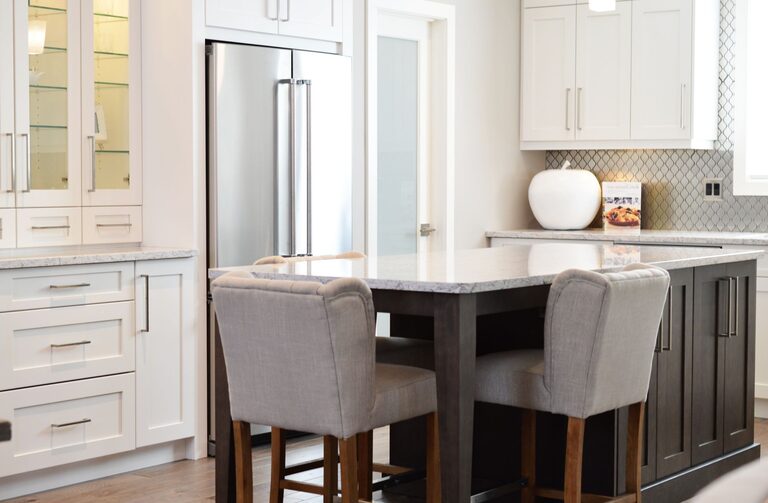
A clutter-free kitchen counter can make the whole room feel cleaner, calmer, and easier to use. When appliances, mail, food packages, and cooking tools pile up, even a spacious kitchen can feel crowded. The good news is that you do not need a complete remodel or expensive storage system to improve your counters.
A few thoughtful decisions, practical storage solutions, and simple daily habits can help you create more open space. Use the steps below to make your kitchen counters easier to manage and keep them that way.
Before deciding where everything should go, remove every item from the counters. Place the items on a table, island, or clean section of the floor. Wipe the counters thoroughly while they are empty.
This process helps you see how much space you have and what is actually taking it up. It also prevents you from organizing around items that do not belong in the kitchen.
As you sort, create three groups:
– Use daily: Items you reach for almost every day
– Use occasionally: Items needed once a week or less
– Do not need: Broken, unused, duplicated, or misplaced items
Return only the items you use regularly. Put occasional items in cabinets, drawers, or pantry storage. Move items that belong elsewhere to their proper locations.
Not everything that is useful needs to stay on the counter. A helpful rule is to keep only items that are used often or are difficult to store elsewhere.
Good candidates for counter space may include:
– A coffee maker used every morning
– A toaster or toaster oven used regularly
– A knife block that is safe and easy to access
– A container for frequently used cooking utensils
– A cutting board used several times a day
If you rarely use an appliance, store it in a cabinet, pantry, or nearby closet. Consider how often you use each item rather than how convenient it feels to leave it out.
You can also group similar items together. For example, keep coffee supplies near the coffee maker and cooking utensils near the area where you prepare meals. This makes the kitchen easier to use without spreading items across every available surface.
Many cluttered counters are the result of storage spaces that are difficult to use. If cabinets are crowded or drawers are disorganized, it becomes tempting to leave items out.
Begin by removing anything expired, broken, or rarely used. Then group similar items together. Keep baking supplies in one area, food storage products in another, and everyday dishes where they are easy to reach.
Simple storage tools can make a big difference:
– Drawer dividers for utensils
– Shelf risers for plates and cups
– Pullout bins for pantry items
– Lazy Susans for sauces and oils
– Small baskets for packets and loose items
– Lid organizers for pots and food containers
Use the vertical space inside cabinets whenever possible. Stackable shelves and under-shelf baskets can create extra levels of storage without requiring new cabinets.
Some items appear on counters because they do not have a clear home. Mail, keys, reusable bags, school papers, and receipts often collect near the kitchen entrance or on an island.
Create a specific location for these items. A small wall organizer, basket, or tray can prevent them from spreading across the counter. If possible, place the organizer away from food preparation areas.
You might use separate sections for:
– Mail that needs attention
– Items to take out of the house
– Keys and small personal items
– Reusable shopping bags
– Papers that need to be filed
The goal is not to create another place for clutter to pile up. Empty the organizer regularly and give each item a final destination.
Small appliances often take up more counter space than anything else. Start by identifying which appliances you use frequently and which ones can be stored.
For appliances that remain on the counter, keep cords under control. Use a cord wrap or a simple reusable tie to prevent loose cables from spreading across the surface. Place appliances near outlets so cords do not cross work areas.
If you use several appliances together, consider creating an appliance station. For example, keep the coffee maker, coffee supplies, and mugs in one area. This keeps related items together and limits clutter throughout the kitchen.
For appliances used only occasionally, choose a storage spot that is accessible but out of sight. A lower cabinet, pantry shelf, or rolling cart may work well.
Trays can make a counter look more organized by keeping related items in one defined area. A tray might hold cooking oils, spices, or coffee supplies. When the counter needs cleaning, you can move the entire group at once.
However, containers should support organization rather than hide clutter. Avoid filling a basket with random items that you do not use. Choose containers that fit the space and are easy to clean.
Clear containers can help you see what you have, while labeled bins may make it easier to find less frequently used supplies. Keep labels simple and use containers only when they solve a specific storage problem.
Reserve at least one section of the counter for food preparation. This area should remain as open as possible so you can chop, mix, and set down hot or prepared foods safely.
To protect this workspace:
– Store cutting boards upright in a rack or cabinet
– Keep knives in a block, drawer insert, or wall-mounted holder
– Move decorative items away from the preparation area
– Store food packages after opening them
– Return cooking tools to their usual locations after use
If your kitchen has limited counter space, use a cutting board that fits securely over the sink or a compact board that can be stored vertically. Always choose a stable setup that will not slide during use.
A short daily reset is one of the easiest ways to prevent clutter from returning. Choose a time that fits naturally into your routine, such as after dinner or before bed.
During the reset:
This routine does not need to be perfect. The purpose is to restore the kitchen to a usable starting point for the next day.
A counter may become cluttered again if your storage system no longer matches your habits. Review the kitchen every few weeks and notice what keeps being left out.
If an item is always on the counter, ask whether it needs a better storage location. If a cabinet is difficult to access, rearrange it. If a container is rarely used, remove it.
A clutter-free kitchen is not about having an empty room. It is about making sure the items you use have practical homes and the counters support the way you cook, clean, and live. With a clear system and a few consistent habits, maintaining open, tidy counters becomes much easier.
