
 04 November 2026
 Share
1
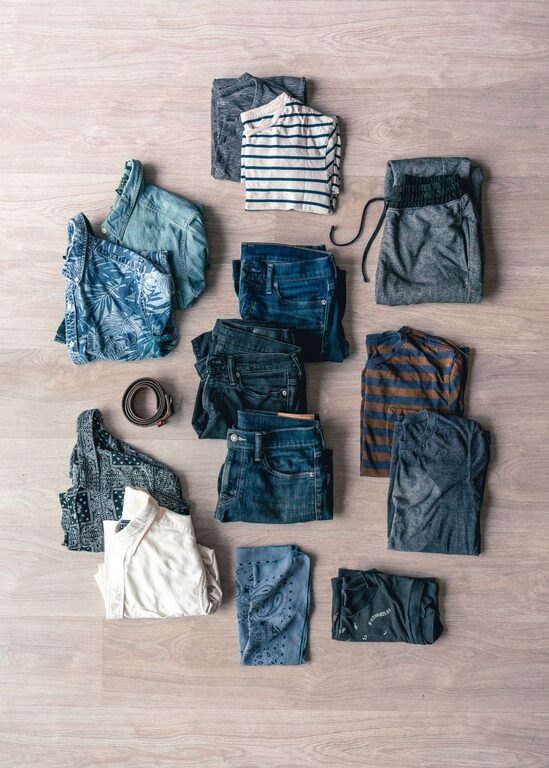
A capsule wardrobe is a small collection of clothing that works well together. Instead of filling your closet with items you rarely wear, you choose versatile pieces that suit your lifestyle, fit comfortably, and can be combined in many ways.
Building a capsule wardrobe does not mean dressing in the same way every day or following strict fashion rules. It is a practical way to make getting dressed easier, reduce clutter, and shop with more intention. The best capsule wardrobe is one that reflects your routine, climate, preferences, and budget.
A capsule wardrobe is a carefully selected group of clothing, shoes, and sometimes accessories. Most pieces coordinate with one another, allowing you to create many outfits from a limited number of items.
A basic capsule wardrobe might include:
– Everyday tops
– Comfortable pants or jeans
– A skirt or dress
– A sweater or cardigan
– A jacket or coat
– Everyday shoes
– A few accessories
There is no universal number of pieces. Some people prefer a very small wardrobe, while others need more options for work, exercise, travel, or changing weather. Focus on usefulness rather than reaching a specific number.
Before sorting through your clothes, think about how you spend most of your time. Your wardrobe should support your real life, not an imagined version of it.
Ask yourself:
– Do you work from home, in an office, outdoors, or in multiple settings?
– How often do you dress formally?
– Do you need clothing for exercise or hobbies?
– What is the weather like where you live?
– Do you spend most days walking, commuting, or driving?
– Which clothing items do you reach for most often?
For example, someone who works in a casual office may need several polished tops and comfortable trousers. Someone who works from home may prefer soft layers and relaxed pants. If you attend frequent formal events, those needs should be included rather than treated as exceptions.
Take everything out of your closet, drawers, and other storage areas. Seeing all your clothing in one place makes it easier to notice duplicates, forgotten items, and gaps.
Sort each item into four groups:
When deciding what to keep, consider these questions:
– Does it fit comfortably today?
– Is it in good condition?
– Have I worn it recently?
– Can I create at least two or three outfits with it?
– Does it suit my daily activities?
– Would I choose to buy it again?
Avoid keeping an item only because it was expensive, once belonged to a favorite outfit, or might be useful someday. If a piece does not work for your current life, it may be taking up valuable space.
A coordinated color palette makes a capsule wardrobe easier to use. Start with two or three neutral colors, such as black, navy, gray, brown, white, cream, or denim. Then add one or two accent colors that you enjoy wearing.
For example, you might choose:
– Navy, white, and gray as core colors
– Burgundy and light blue as accent colors
Your palette does not need to be perfectly matched. The goal is to make it easy to combine your clothes without much thought.
If you love bright colors or prints, include them. A capsule wardrobe should not be limited to beige and black. You can use colorful tops, scarves, shoes, or accessories as focal points while keeping several basic pieces neutral.
Once you understand your needs, create a list of useful categories. You can adjust the number of items based on your lifestyle and laundry routine.
Choose a mix of everyday shirts, polished tops, and layering pieces. Include colors and shapes that work with your bottoms.
A basic selection might include:
– Two or three casual T-shirts
– One or two long-sleeve shirts
– One button-down or polished blouse
– One lightweight sweater
– One cardigan or overshirt
Select bottoms that are comfortable and suitable for your regular activities. Consider different shapes, such as straight-leg, wide-leg, tailored, or relaxed styles.
You might choose:
– One pair of jeans
– One pair of casual trousers
– One pair of dressier pants
– One skirt or pair of shorts, if useful
A simple dress can create a complete outfit quickly. Choose a style that works for your usual settings and can be worn with different shoes or layers.
If you do not wear dresses, skip this category. A capsule wardrobe should be personalized, not based on a fixed checklist.
Layers help you adapt to changing temperatures and create more outfit combinations.
Useful options may include:
– A lightweight jacket
– A cardigan or sweater
– A blazer or casual overshirt
– A weather-appropriate coat
– A warm layer for colder months
Choose outerwear that works with most of your clothing. Since coats and jackets are often worn frequently, comfort and quality are especially important.
Shoes should match your activities and provide reliable comfort. A basic wardrobe may include:
– Everyday sneakers or walking shoes
– Casual flats, loafers, or boots
– Dressier shoes
– Weather-appropriate footwear
You do not need every type of shoe. Choose the pairs you will actually wear and make sure they coordinate with your main clothing colors.
Versatility is not useful if you do not feel comfortable wearing an item. Pay attention to fit, fabric, movement, and care requirements.
Try sitting, walking, reaching, and bending when evaluating clothes. Check whether the fabric feels comfortable against your skin and whether the item works with the layers you plan to wear.
A good fit does not always mean tight or tailored. It means the clothing suits your preferences and allows you to move easily. If an item is close to working, a simple alteration may help. Hemming pants, adjusting sleeves, or replacing buttons can make a useful piece more wearable.
Outfit formulas are simple combinations that help you get dressed quickly. They provide a starting point without making your wardrobe feel repetitive.
Try formulas such as:
– T-shirt, jeans, cardigan, and sneakers
– Button-down shirt, trousers, and loafers
– Sweater, skirt, tights, and boots
– Dress, jacket, and flats
– T-shirt, casual pants, overshirt, and sneakers
Take photos of outfits you enjoy. You can keep them in a phone album for busy mornings or travel planning. Over time, you will learn which combinations feel most natural and which items are the most valuable.
After reviewing your wardrobe, make a short list of genuine gaps. Avoid shopping immediately for every category. Live with your current collection for a few weeks and notice what you repeatedly wish you had.
Before buying, ask:
– Can I wear this with at least three existing items?
– Does it suit my lifestyle and climate?
– Is the fit comfortable?
– Will I care for it properly?
– Is it different enough from what I already own?
– Would I still want it after waiting a few days?
Shopping slowly helps you avoid impulse purchases and keeps your capsule wardrobe practical.
A capsule wardrobe needs occasional updates. At the end of each season, review what you wore, what you missed, and what needs repair or replacement.
Keep clothing clean and stored properly. Follow care instructions, remove small stains promptly, and repair loose buttons or minor tears. Good maintenance can extend the useful life of your clothes.
You can also rotate seasonal items. Store heavy sweaters during warm months and bring them back when the weather changes. This keeps your everyday closet manageable without requiring you to own fewer clothes overall.
The purpose of a capsule wardrobe is to make clothing work better for you. It should not feel restrictive or require you to give up items that bring you joy.
Keep special pieces if they have a clear role in your life. Add prints, colors, textures, or accessories that express your personality. You can also adjust the wardrobe as your work, activities, climate, or preferences change.
Start small, choose carefully, and pay attention to what you actually wear. With a practical mix of comfortable basics and personal favorites, a capsule wardrobe can simplify your routine while still giving you plenty of ways to express your style.
