
 04 November 2026
 Share
1
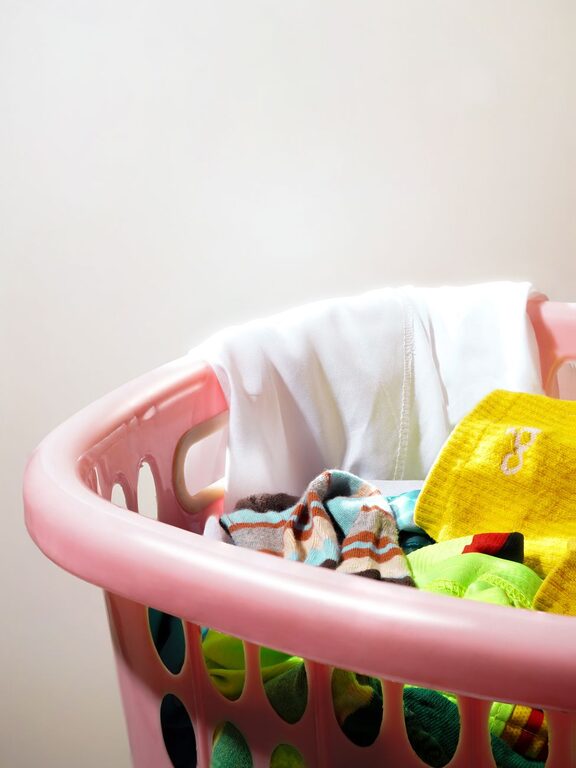
Clothing can last much longer when it receives the right care. Small habits, such as washing items less often, choosing the correct water temperature, and storing clothes properly, can help prevent fading, shrinking, stretching, and damage.
Caring for your clothes also makes it easier to maintain a well-organized wardrobe. You may save time and money by protecting the pieces you already own instead of replacing them frequently. Here are practical tips for keeping everyday clothing in good condition.
Care labels provide the best starting point for cleaning and maintaining a garment. Before washing a new item, check the label for instructions about water temperature, washing methods, drying, ironing, and dry cleaning.
Common care symbols and instructions may tell you to:
– Wash with cold, warm, or hot water
– Use a gentle or delicate cycle
– Avoid bleach
– Air-dry or tumble-dry on low heat
– Iron at a specific temperature
– Use professional cleaning services
If a garment does not have a clear label, choose the gentlest method that is suitable for the fabric. When in doubt, cold water, mild detergent, and air-drying are usually safer choices than hot water and high heat.
Washing too often can wear down fabric fibers, fade colors, and weaken seams. Not every item needs to be washed after one use.
Items such as underwear, socks, workout clothes, and clothing worn next to the skin usually need frequent washing. Other pieces, including jeans, sweaters, jackets, and coats, may only need cleaning when they are visibly dirty, have an odor, or have absorbed sweat.
Between washes, you can:
– Hang clothes in a well-ventilated area
– Air out sweaters and jackets
– Spot-clean small marks
– Brush away dust or lint
– Steam lightly to remove wrinkles and odors
Always use your judgment based on the fabric, activity, weather, and level of wear.
Sorting laundry helps prevent color transfer and fabric damage. Separate clothes by color, fabric type, and washing needs.
A simple sorting system may include:
– Whites and light colors
– Dark colors
– Bright or strongly colored items
– Towels and heavy fabrics
– Delicate garments
Wash new dark or brightly colored items separately the first few times, as they may release extra dye. Keep rough items, such as denim and clothing with zippers, away from delicate fabrics that can snag easily.
Before washing, empty pockets, close zippers, and fasten hooks. Turn printed shirts, dark clothing, and denim inside out to help reduce fading and surface wear.
Cold water is a good choice for many everyday loads. It can help protect colors, reduce shrinking, and use less energy than hot water.
Warm or hot water may be useful for certain heavily soiled items, but it can be harder on fabric. Always check the care label before selecting a high-temperature wash.
Cold water is often suitable for:
– Dark clothing
– Bright colors
– Delicate fabrics
– Stretch clothing
– Lightly soiled everyday items
Use the smallest amount of detergent needed to clean the load. Excess detergent can leave residue on clothing and may require additional rinsing.
An overcrowded washing machine does not clean clothes effectively. It also creates extra friction, which can cause pilling, stretching, and premature wear.
Leave enough room for clothes to move freely in the drum. A useful general rule is to fill the machine loosely rather than pressing items down. Check the machine instructions for the recommended load size.
For delicate garments, use a mesh laundry bag. This can help protect small items, straps, lace, and lightweight fabrics from tangling or snagging.
Drying is one of the most important parts of clothing care. High heat can shrink fabric, weaken elastic, and damage delicate fibers.
Whenever possible, air-dry clothing by:
– Laying sweaters flat on a clean, dry towel
– Hanging shirts on sturdy hangers
– Using a drying rack for lightweight items
– Keeping clothes away from direct, intense sunlight
– Reshaping garments while they are still damp
Avoid hanging heavy knitwear because its weight can stretch the shoulders and body. Instead, lay these pieces flat.
If you use a dryer, select a low-heat or delicate setting and remove clothes while they are slightly damp. This can help reduce shrinking and make wrinkles easier to smooth.
Fresh stains are usually easier to remove than old, dried stains. Treat marks as soon as possible, but avoid rubbing aggressively, as this may push the stain deeper into the fabric or damage the surface.
Start by gently blotting liquid with a clean cloth or paper towel. Do not scrub unless the care label and fabric allow it. Apply a small amount of suitable detergent or stain remover to an unseen area first to check for color changes.
Useful stain-care habits include:
– Blot instead of rubbing
– Work from the outer edge toward the center
– Avoid heat until the stain is gone
– Rinse according to the fabric instructions
– Repeat gently if necessary
Heat from an iron or dryer can set some stains permanently, so inspect clothing before drying.
Good storage helps clothing keep its shape and protects it from dust, moisture, and unnecessary wear.
Use sturdy, properly sized hangers for shirts, blazers, dresses, and jackets. Avoid wire hangers, which can leave dents and distort shoulders. Fold sweaters, knitwear, and heavy garments rather than hanging them.
Before storing seasonal clothing, make sure each item is clean and completely dry. Dirt, body oils, and moisture can lead to odors or fabric damage over time.
For long-term storage:
– Use breathable fabric storage bags when possible
– Avoid tightly packing drawers and closets
– Keep clothes away from damp areas
– Store shoes separately from clean clothing
– Check stored items occasionally for moisture or pests
Do not rely on airtight plastic containers for every fabric, especially if clothing may not be completely dry. Breathable storage can help reduce the risk of trapped moisture.
Pilling happens when loose fibers form small balls on the surface of fabric. It is common on sweaters, fleece, and clothing that experiences frequent friction.
To reduce pilling:
– Wash garments inside out
– Use a gentle cycle
– Avoid overloading the machine
– Keep rough fabrics separate from delicate ones
– Fold or hang clothing according to its shape
If pills appear, remove them with a fabric shaver or sweater comb. Work slowly and gently to avoid cutting the fabric.
For snags, do not pull the loose thread. Carefully guide it to the inside of the garment with a needle or use a small crochet hook. Simple repairs can prevent a minor issue from becoming a larger tear.
A missing button, loose hem, or tiny hole is easier to repair when noticed early. Keep a small repair kit with needles, thread, spare buttons, safety pins, and small scissors.
Inspect clothing occasionally, especially after washing. Take care of loose seams and small tears before wearing the item again. If a repair is beyond your skill level, a tailor or clothing repair service may be able to restore the garment.
Longer-lasting clothing does not require complicated routines. Start with a few consistent habits: wash only when needed, follow care labels, use lower heat, store garments properly, and repair minor damage promptly.
These simple steps help preserve the fit, color, and comfort of your clothes. With regular care, your wardrobe can stay useful and attractive for much longer.
