
 04 November 2026
 Share
1
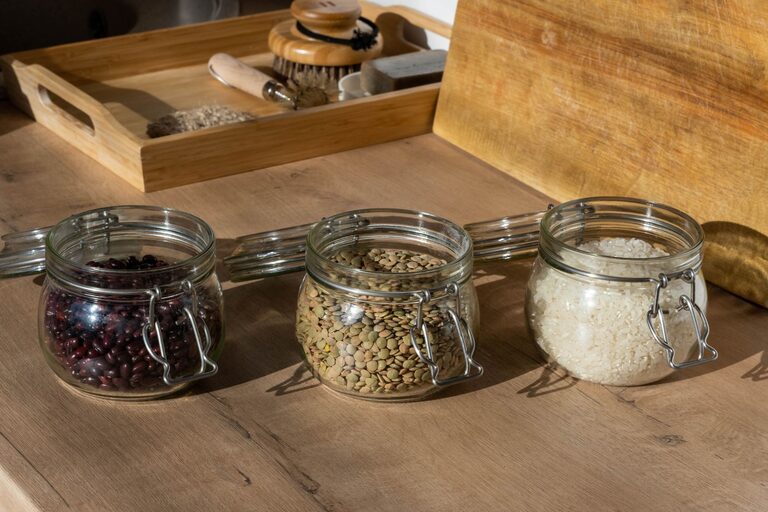
Planning meals from pantry staples can make cooking easier, reduce food waste, and help you avoid last-minute grocery trips. A well-stocked pantry gives you a reliable starting point for meals, even when your refrigerator is nearly empty.
The key is not to collect every possible ingredient. Instead, focus on versatile foods that can be combined in several ways. With a simple planning system, a few basic cooking techniques, and some fresh or frozen additions, you can create balanced meals from ingredients you already have.
Before planning meals, take a few minutes to see what you already have. Group items by type so they are easy to find.
Common pantry categories include:
– Grains such as rice, pasta, oats, quinoa, and couscous
– Canned foods such as beans, tomatoes, corn, and tuna
– Dried foods such as lentils, split peas, and dried beans
– Cooking basics such as oil, vinegar, flour, and breadcrumbs
– Flavor boosters such as spices, herbs, broth, and sauces
– Shelf-stable vegetables and fruit
– Baking ingredients such as sugar, baking powder, and flour
Check expiration dates, package condition, and the amount remaining in each container. Move older items toward the front so they are used first. If several packages are nearly empty, place them on a “use soon” list.
This inventory helps you plan realistically. You may discover that you have enough rice and canned beans for several meals, but need fresh vegetables or a protein to complete them.
A flexible meal formula makes it easier to combine ingredients without relying on a specific recipe. Start with a base, add a protein, include vegetables, and finish with a sauce or seasoning.
The base gives the meal structure. Good options include:
– Rice
– Pasta
– Potatoes
– Oats
– Bread or tortillas
– Couscous or quinoa
– Lentils or other grains
Protein can come from canned, dried, frozen, or refrigerated foods. Examples include:
– Canned beans
– Lentils
– Chickpeas
– Canned fish
– Peanut butter or other nut butter
– Eggs
– Cheese
– Frozen chicken or another familiar protein
Use whatever vegetables are available. Frozen and canned vegetables can be just as useful as fresh ones for soups, pasta dishes, grain bowls, and skillet meals.
Try:
– Canned tomatoes
– Frozen peas
– Frozen spinach
– Canned corn
– Carrots
– Onions
– Bell peppers
– Cabbage
– Sweet potatoes
A few seasonings can change the character of a meal. Keep a small selection of versatile ingredients, such as:
– Garlic and onion powder
– Black pepper
– Paprika
– Chili powder
– Italian seasoning
– Soy sauce
– Vinegar
– Mustard
– Salsa
– Bouillon or broth
For example, rice, beans, and canned tomatoes can become a chili-style bowl with chili powder and cumin. The same rice and beans can become a Mediterranean-style dish with lemon juice, oregano, and a little olive oil.
When making a weekly meal plan, choose meals that share ingredients. This makes shopping simpler and reduces the chance that unused foods will sit in the pantry or refrigerator.
For example, one can of tomatoes could be used in:
– Pasta sauce
– Vegetable soup
– Bean chili
– Shakshuka-style eggs
– A sauce for rice or grains
A package of tortillas could be used for:
– Bean and rice wraps
– Breakfast burritos
– Quesadillas
– Baked tortilla chips
– Simple tostadas
Ingredient overlap also allows you to prepare one component once and use it more than once. Cook a large batch of rice, for example, then use it in a grain bowl, a stir-fry, and a soup during the week.
Instead of planning seven completely different recipes, choose three or four main meals and leave room for leftovers. This approach is easier to manage and gives you flexibility.
A sample pantry-based plan might include:
– Monday: Pasta with canned tomatoes, beans, and herbs
– Tuesday: Rice bowls with lentils, frozen vegetables, and salsa
– Wednesday: Leftover pasta or rice bowls
– Thursday: Potato and vegetable soup with toast
– Friday: Bean quesadillas with canned corn and a simple salad
You can also plan one “mix and match” night. Serve leftover grains, vegetables, beans, sauces, and toppings separately so everyone can create a meal they like.
Flexible cooking methods are more useful than complicated recipes when working with pantry staples.
Soups, stews, chili, and pasta dishes are easy to adjust. Add more broth if the dish is too thick, or add grains and beans to make it more filling.
Roast potatoes, canned beans, and vegetables together with oil and seasonings. If using canned beans, drain and rinse them first, then pat them dry for better browning.
A skillet can turn leftover rice, vegetables, eggs, beans, or pasta into a quick meal. Change the flavor with different sauces and spices.
Some pantry meals require little or no cooking. Combine canned beans, tuna, corn, or chickpeas with crackers, bread, tortillas, or a simple dressing.
Pantry staples are most useful when paired with a few flexible ingredients. You do not need a long shopping list. Choose items that can work across several meals.
Good options include:
– Onions and garlic
– Carrots
– Potatoes
– Cabbage
– Apples or bananas
– Eggs
– Yogurt or cheese
– Frozen mixed vegetables
– Frozen spinach
– Fresh herbs when available
When shopping, ask how many meals each item can support. A bag of carrots may work in soup, grain bowls, roasted side dishes, and snacks. This is more useful than buying a specialty ingredient for one recipe.
The same basic ingredients can taste very different depending on the seasoning style. Pick one or two flavor directions for the week to avoid buying too many extras.
For a simple tomato and bean dish, try:
– Italian: garlic, basil, oregano, and Parmesan
– Mexican-inspired: chili powder, cumin, salsa, and lime
– Mediterranean-inspired: oregano, lemon, olive oil, and feta
– Indian-inspired: curry powder, ginger, and yogurt
You can create variety without changing the main ingredients. A few sauces, herbs, and spices can make leftovers feel like a new meal.
Good pantry planning includes proper storage. Keep dry goods in a cool, dry place and close opened packages tightly. Transfer foods to labeled containers if the original package is difficult to reseal.
Use older items first and write the opening date on foods that may be easy to forget. For cooked leftovers, use clean containers, refrigerate them promptly, and follow local food safety guidance for storage times.
If you notice that a particular ingredient is never used, stop buying it or find a more practical way to include it. The best pantry is one that reflects your household’s real habits.
A simple template can make weekly planning faster. Write down:
Meal planning from pantry staples is less about following strict recipes and more about recognizing useful combinations. Once you know how to pair a base, protein, vegetables, and flavor, you can create many meals from a small collection of ingredients. Start with what you have, plan for flexibility, and let simple pantry foods do the work.
